
Perth racecourse guide
Perth Racecourse Lay Betting Guide: Summer Jumps, Long Run-In and Staying Chases
A Perth Racecourse guide for lay betting research, covering Scottish summer jumps, right-handed rhythm, jumping speed, stamina, ground, the long run-in, and vulnerable short favourites.
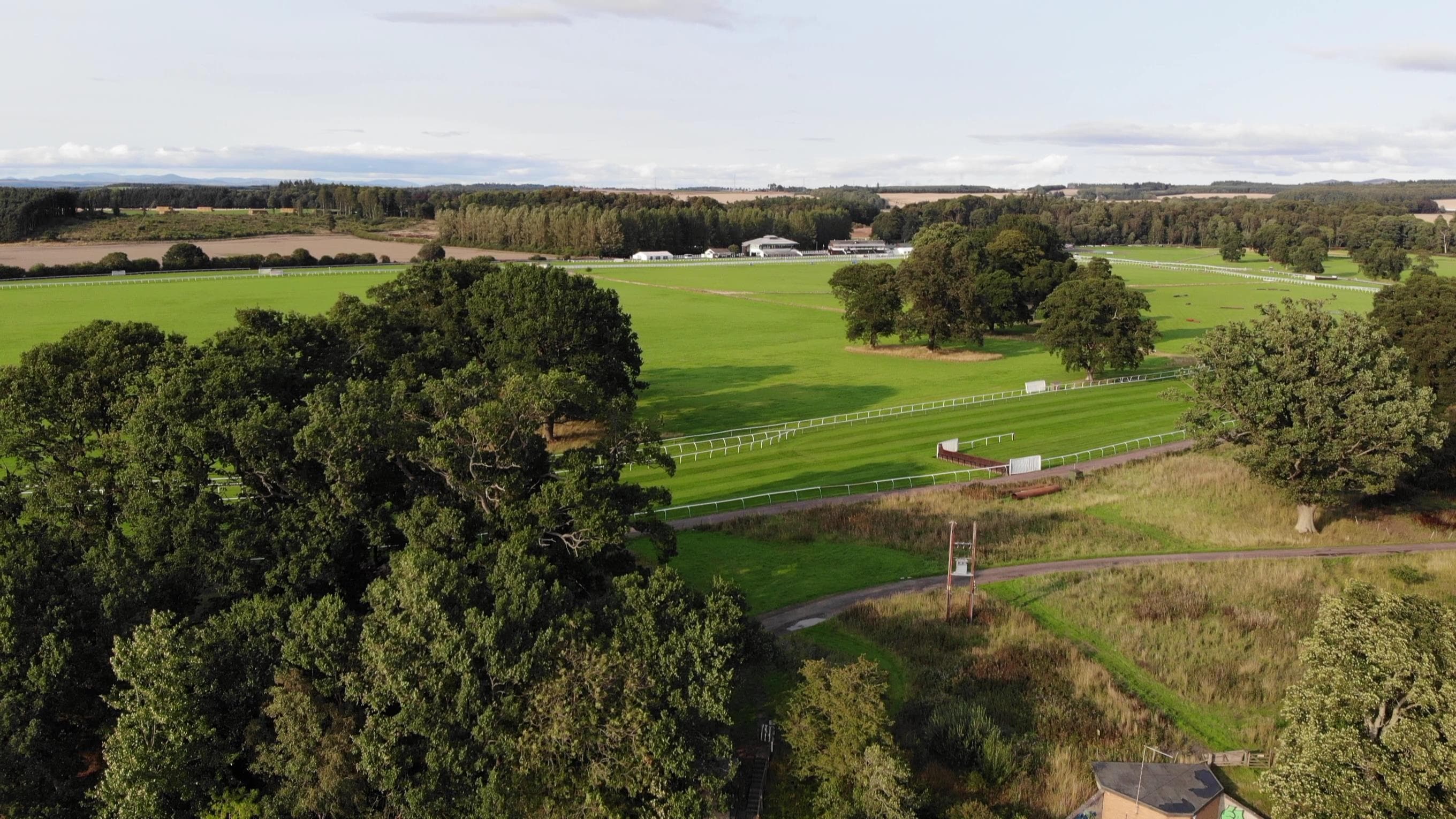
Location
Perth, Perth and Kinross
Code
National Hunt turf
Direction
Right-handed
Racing
Jumps only
Shape
Flat right-handed National Hunt circuit with sweeping bends
Run-in
Long run-in from the last fence to the winning post
Quick lay view
Perth is a distinctive Scottish jumps track where fluent jumping, right-handed rhythm, and the long run-in can matter as much as raw ability. It is especially useful for lay betting when a favourite has the best form but not the right practical setup for a flat National Hunt test.
Perth can protect fluent, accurate jumpers and expose slow, clumsy, or doubtful stayers whose price relies too much on headline form.
Horse-geek notes
Perth's flat circuit can still punish horses that jump slowly or give away position rather than simply lacking class.
Summer jumping form can be different from deep-winter form, so ground and fitness context matter.
Right-handed preference is worth checking, especially for chasers that edge or jump one way.
The course can suit handy, efficient jumpers, but the long run-in also means anything that kicks too early can be caught late.
Perth lay betting checklist
Prioritise fluent jumping
A short favourite that is slow at obstacles or jumps left can be vulnerable around Perth.
Check summer-ground evidence
Some horses improve for better ground and others need a slog. Match the favourite's best form to the current conditions.
Respect handy racers
A prominent, accurate jumper is protected because it can control Perth's rhythm.
Watch stamina at speed
Staying races still ask for stamina, and the long run-in can expose a runner that moves well but does not finish properly.
Distance notes
2m hurdles/chases
Speed and jumping fluency are central. A slow-jumping favourite can be under pressure quickly.
2m4f
A tactical trip where a handy jumper can be protected, but the runner still needs enough finish for the long run-in.
3m+
Stamina is still required, and the winner often needs to hold position, jump economically, and avoid committing too soon.
Draw and pace
Prominent racers can make the track feel even sharper for hold-up types.
Jumping right-handed fluency is protection; jumping left is a warning sign.
A controlled pace can leave one-paced stayers short of tactical speed.
Too much early pace or a premature kick can still expose doubtful stayers late.
Going checks
Good or quick summer ground can make jumping speed more important.
Soft ground shifts the analysis back towards stamina and resilience.
Check whether the horse's best form came in similar seasonal conditions.
Lay betting at Perth
Lay betting at Perth
Perth lay betting is often about whether the favourite can jump quickly enough, hold the right position, and finish after the long run-in. A horse with strong form can still be vulnerable if the right-handed rhythm is against it.
Why jumping speed matters at Perth
Perth can reward horses that meet obstacles cleanly and keep pressure on from close to the pace. Lay Picks treats fluent, handy jumpers as protected and questions slow, one-paced, or premature-kick favourites at short odds.
How Lay Picks treats Perth races
The Perth check looks at right-handed evidence, jumping fluency, ground, pace, and whether summer-jumps form is relevant. It avoids over-skipping when the weakness is real but keeps reliable course-fit horses protected.
Lay red flags
Favourite jumps left or loses ground at obstacles.
Winter mud form overbet on quicker summer ground.
Hold-up runner in a race likely to favour handy jumpers.
Short stayer without tactical speed or a proven finishing effort.
Novice priced short despite limited right-handed evidence.
Best use cases
A jumps favourite has the strongest rating but a questionable Perth setup.
The pace map favours efficient prominent jumpers.
Seasonal ground changes make old form less reliable.
Related guides
Perth course notes are only one layer. Tie them back to strategy, racing tips, and responsible betting before making a manual call.
Horse racing lay strategy
Connect course notes to a full race research process with PLAY/SKIP discipline.
Read guideHorse racing lay tips
See how racecourse angles fit into a useful lay tip before opposing a runner.
Read guideResponsible lay betting
Keep course bias, liability, staking discipline, and manual control in the same decision.
Read guideBest reading path
Follow the lay betting learning route
Move through the core guides in order: basics, liability, exchange mechanics, strategy, racecourse context, and transparent results methodology.
Step 1
What is lay betting?
Start with the basic exchange concept: opposing a selection rather than backing it to win.
Open guideStep 2
Liability
Understand the amount at risk before looking at tips, strike rates, or staking.
Open guideStep 3
Exchange guide
Learn how lay odds, liquidity, matching, and commission affect a usable price.
Open guideStep 4
Strategy
Turn runner vulnerability, public checks, price, and skip discipline into a process.
Open guideStep 5
Racecourse guides
Add course shape, draw, pace, going, and distance context before trusting a lay angle.
Current stepStep 6
Results methodology
Read how settled public results are counted before judging any performance record.
Open guideOther racecourse guides
References
These are course-information and image-license references. Lay Picks turns them into original lay betting research notes and does not place bets automatically.
Lay Picks is for informed adults who want a clearer research routine. It is research and tracking software only, never automatic betting. You stay responsible for every manual decision. 18+ only. Read the risk disclaimer.