
Newmarket racecourse guide
Newmarket Racecourse Lay Betting Guide: Rowley Mile, July Course and The Dip
A deep Newmarket Racecourse guide for lay betting research, covering the Rowley Mile, July Course, the Dip, Bunbury Mile, stamina, balance, draw, pace, and field quality.
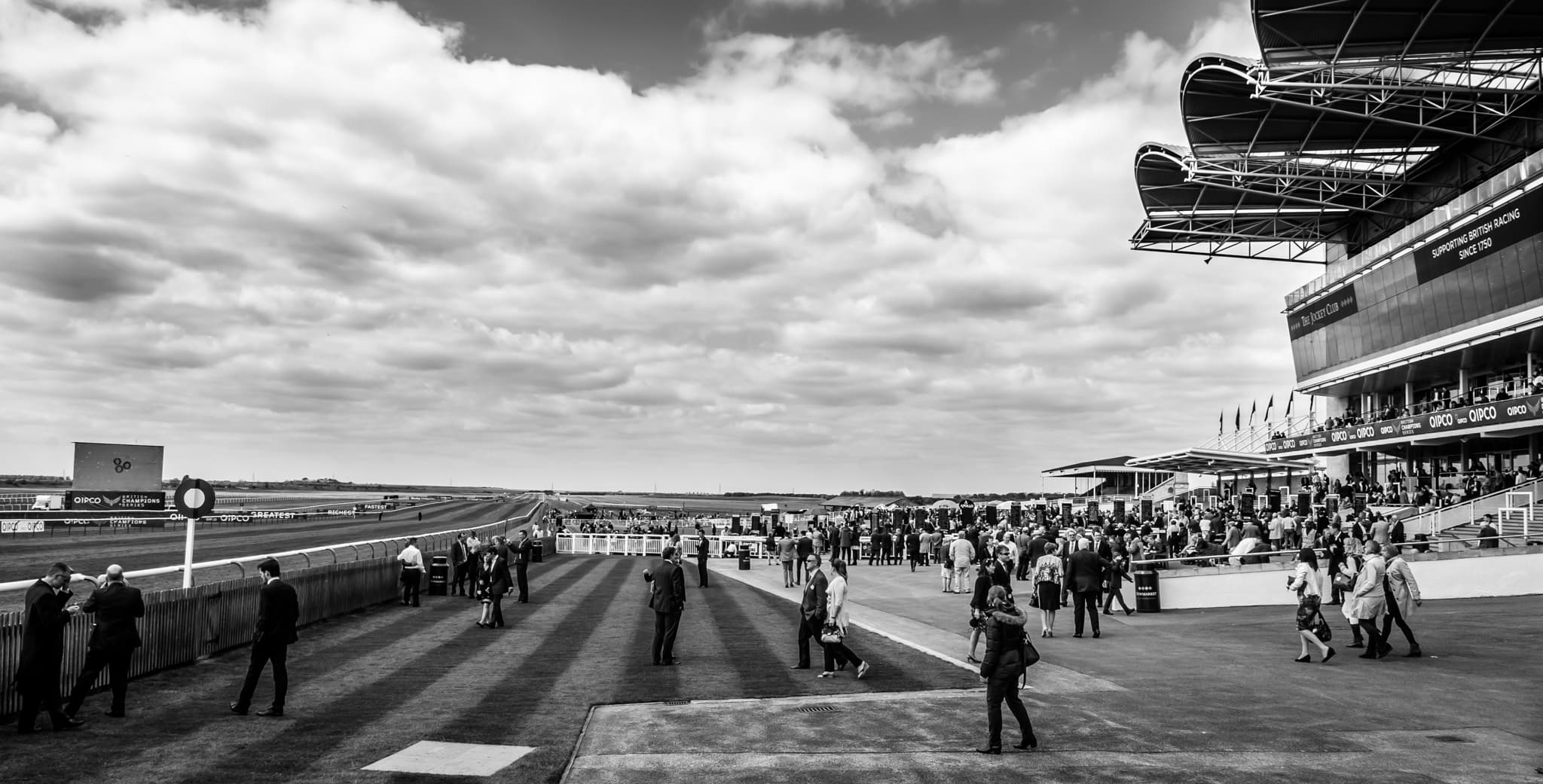
Location
Newmarket, Suffolk
Code
Flat turf
Direction
Right-handed bends for longer races
Racing
Flat only
Shape
Two wide galloping tracks: Rowley Mile and July Course
Run-in
Long straight courses with uphill finishes
Quick lay view
Newmarket is really two racecourses for modern Flat betting: the Rowley Mile and the July Course. Both reward class and sustained ability, but the Rowley Mile's Dip and the July Course's uphill finish can reveal horses that travel better than they finish.
Newmarket exposes balance, stamina, and class. Question short runners whose form may not survive the Dip, the climb, or a truly run straight race.
Horse-geek notes
The Rowley Mile is a wide, galloping track with a long straight and the famous Dip before the climb to the line.
The July Course has the Bunbury Mile and a demanding final furlong, so summer speed still has to finish properly.
Because Newmarket is home territory for powerful yards, lightly raced runners can improve sharply. That protects some favourites and makes others hard to price.
Big-field handicaps can make pace location and group strength crucial, especially when the field spreads across a wide straight.
Newmarket lay betting checklist
Separate Rowley Mile from July Course
They are related but not identical. Confirm which track is being used before applying course notes.
Ask whether the horse will handle the Dip
On the Rowley Mile, balance and momentum through the Dip can decide races. A big, raw, awkward favourite can be vulnerable even with strong bare form.
Respect true Classic-class profiles
Newmarket often attracts horses with serious upside. Do not lay lightly raced elite-yard runners just because the data sample is small.
Check where the pace lives
Wide straight tracks can create races within races. A favourite isolated from the strongest tempo is less protected.
Distance notes
5f-7f
Straight-course speed matters, but the finish still finds out one-dimensional pace. Watch for draw groups and pace clusters.
1m Rowley Mile
The Guineas-style test rewards class, balance, and the ability to quicken after pressure through the Dip.
1m July Course
The Bunbury Mile still asks for a finishing effort. A horse that races freely can be vulnerable late.
1m2f+
Longer races may use the Cesarewitch/Beacon section before turning into the straight, so tactical rhythm and stamina both matter.
Draw and pace
Treat the field's pace map as the starting point. On wide straight tracks, being in the wrong group can be decisive.
A hold-up horse may have enough runway, but only if the pace is honest and its group does not get detached.
Front-runners need to ration speed because the final climb can punish early overcommitment.
Course experience is useful, especially for horses that have already handled the Dip or Bunbury Mile finish.
Going checks
Newmarket generally rewards quality movement, but rain can make the Dip and uphill finish more demanding.
Fast ground can flatter smooth travellers, so still check whether they have finished under pressure.
If fields are coming up one side of the course, re-evaluate draw and pace group assumptions race by race.
Lay betting at Newmarket
Lay betting at Newmarket
Newmarket lay betting is driven by balance, stamina, and whether lightly raced promise has been over-priced or under-priced by the market. The Rowley Mile Dip and July Course finish can punish horses that travel smoothly but do not find much late.
Why draw and pace matter at Newmarket
Wide straight tracks can make pace location more important than the stall number alone. Lay Picks checks whether the favourite is in the strongest group, whether early pace is likely to overdo it, and whether the horse has already handled Newmarket-style pressure.
How Lay Picks treats Newmarket races
The Newmarket check separates genuine upside from hype. Strong yard signals and Classic-level profiles are treated as protection, while greenness, weak finishing evidence, pace isolation, or awkward movement through pressure can keep a short runner on the lay shortlist.
Lay red flags
Favourite looked green, unbalanced, or awkward under pressure last time.
Short runner has only won on flatter or sharper tracks.
Strong traveller with weak final-furlong evidence.
Big-field straight race where the favourite lacks pace-group support.
Hype price around a fashionable yard without enough proof for the race conditions.
Best use cases
You need to judge whether an improving horse is protected or overbet.
A runner's form is strong but came away from Newmarket-style undulations.
The race is a straight-course handicap where pace groups may create hidden risk.
Related guides
Newmarket course notes are only one layer. Tie them back to strategy, racing tips, and responsible betting before making a manual call.
Horse racing lay strategy
Connect course notes to a full race research process with PLAY/SKIP discipline.
Read guideHorse racing lay tips
See how racecourse angles fit into a useful lay tip before opposing a runner.
Read guideResponsible lay betting
Keep course bias, liability, staking discipline, and manual control in the same decision.
Read guideBest reading path
Follow the lay betting learning route
Move through the core guides in order: basics, liability, exchange mechanics, strategy, racecourse context, and transparent results methodology.
Step 1
What is lay betting?
Start with the basic exchange concept: opposing a selection rather than backing it to win.
Open guideStep 2
Liability
Understand the amount at risk before looking at tips, strike rates, or staking.
Open guideStep 3
Exchange guide
Learn how lay odds, liquidity, matching, and commission affect a usable price.
Open guideStep 4
Strategy
Turn runner vulnerability, public checks, price, and skip discipline into a process.
Open guideStep 5
Racecourse guides
Add course shape, draw, pace, going, and distance context before trusting a lay angle.
Current stepStep 6
Results methodology
Read how settled public results are counted before judging any performance record.
Open guideOther racecourse guides
References
These are course-information and image-license references. Lay Picks turns them into original lay betting research notes and does not place bets automatically.
Lay Picks is for informed adults who want a clearer research routine. It is research and tracking software only, never automatic betting. You stay responsible for every manual decision. 18+ only. Read the risk disclaimer.